Non-standard anti-capitalist philosophy publication.
Cosmic Pessimism
-
A Blackened Ecology for the End of the Summer
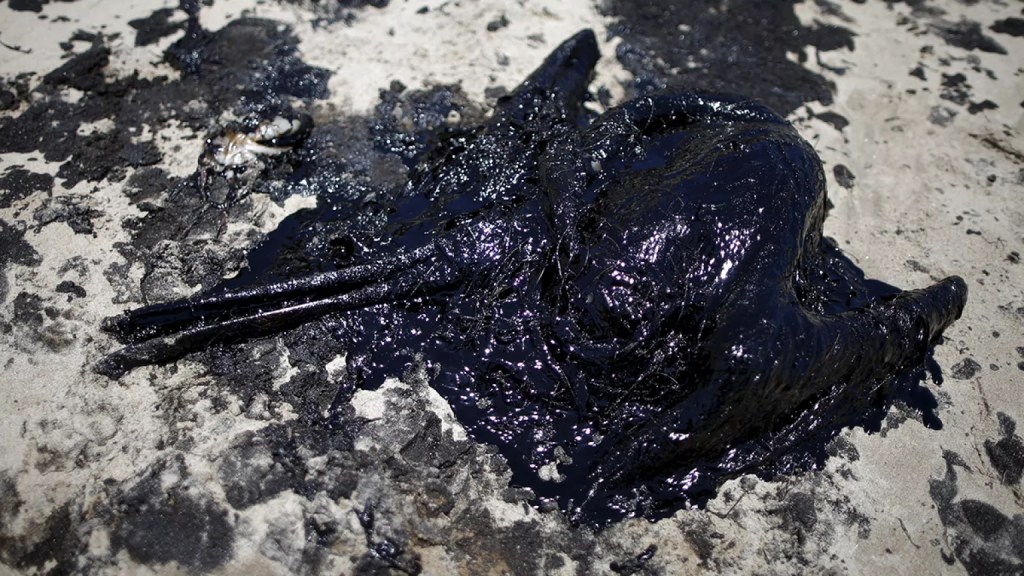
Against Horror driven Anthropocentric Preservationism, Fatalism & Monopolized Clout Chasing Care By Babak Ahteshamipour Every summer in the past 16 years Europe and North America—and not only—is affected by global warming evident through the heat waves[1][2][3] and wildfires they experience while research from the past decade highlights that the Global South, despite contributing the least…
-
On Authority by a Disciple of the Diseased Body
Every generation has found in itself the anarchist ideals of epoch and cause appropriate flavours. The Ukrainian anarchism of the early 20th century had its groundings in the hopes and potential of the peasantry for revolution and collective self organisation, sexual anarchism of the 60s with its individualist fervour and the promise of the internet…
-
Non-Becoming: Echoes and Fractals of Un-Becoming
Non-Becoming confronts the one verb contemporary philosophy of the subject has left unquestioned. The critical critics have learned to dissolve every fixed identity and to celebrate every flux, every line of flight – and in doing so have made becoming the single concept immune to critique, an unquestioned standstill. This essay treats the imperative of…

-
The Unsound of a Black Noise
Before learning about the philosophical grounding of John Cage’s 4’33 minutes of ‘silence’, i recalled my base, almost thoughtless, quasi-physiological, naïve, reactions. I asked myself: How far this game is allowed to proceed, and how many players are allowed at the table? To elaborate: What about full 2-3 hours “Concerts of Silence,” with each piece…
-
Political Theology as a Myth Protecting the Human Security System
“Man by nature is a political animal.”[1] This well-known statement from Aristotle’s Politics serves as the foundation behind what makes man and the concept of the Political something that is worth preserving as sacred values in the tradition of not only western philosophy and thought but civilization in general for more than over 2 millenniums.…
-
Dehumanisation of Anarchism: Biological Subordination as the Overlooked Condition for the Persistence of Banality
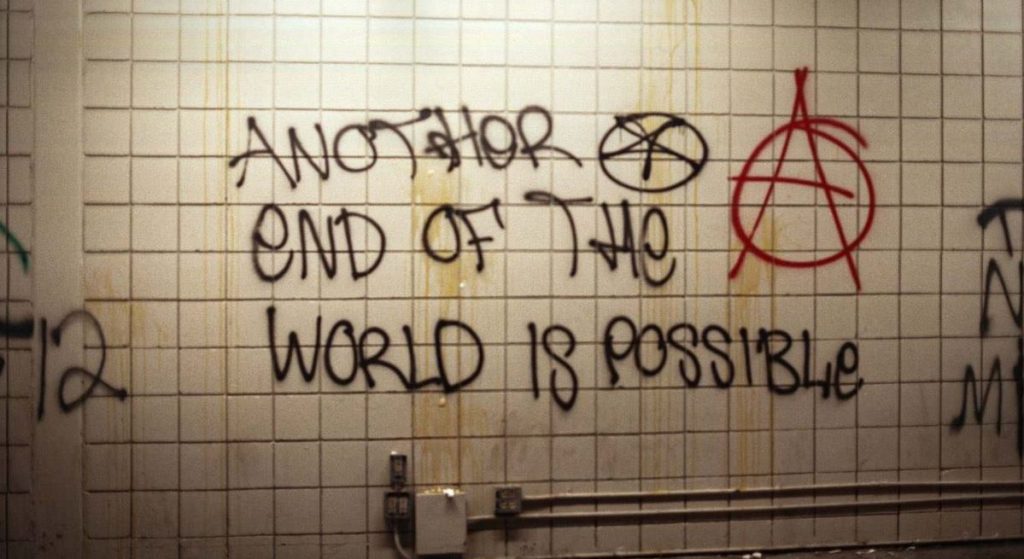
Anarchism, as a political discourse, has consistently positioned itself as a total rejection of authority. The state, the church, capital, patriarchy, and even language itself have been critically dissected—both in classical anarchist traditions (Bakunin and Kropotkin) and in its post-structuralist iterations (Saul Newman, Todd May, and Lewis Call)—as structures of power that must be dismantled.…
-
On the Void, the Body, and the Contingency of Suffering
Nietzsche deconstructed the problem of existence by historicizing value, while Camus demanded that the subject revolt against the absurd. Yet both thinkers presumed a subject who possessed the capacity to stand: the free spirit who survives disenchantment, or the absurd hero who returns to his boulder with his faculties intact. Neither philosopher, at any juncture,…
-
Dreamwalking off the Cliff
Consider this question: how do you know you are not dreaming right now? When you are immersed in a dream, everything feels real, until—a moment of lucidity breaks the spell. You say, “Oh, I am in fact dreaming”. But what guarantees that you are not dreaming right at this moment? You might point to consistencies,…
-
Hegel Is Dead, and We Have Killed Him
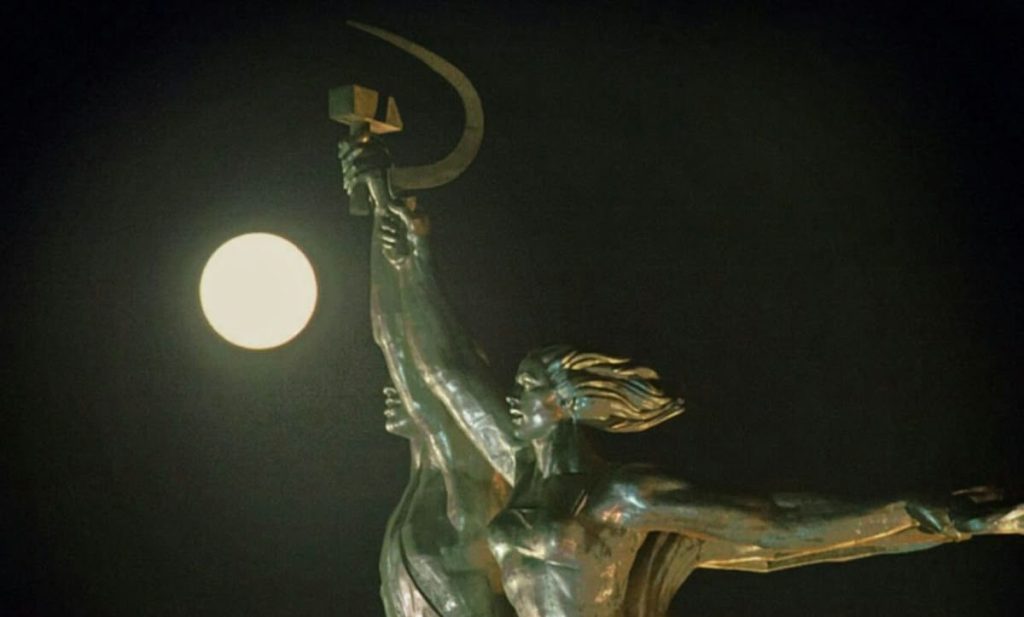
This intervention diagnosticates the contemporary domestication of critical negativity by algorithmic infrastructure. It traces a genealogy of the Promethean impulse—from the theological dogmatism of 19th-century Russian Hegelianism and Nikolai Fedorov’s Cosmism to its monumentalization under Soviet Brutalism —in order to contrast it with the frictionless, predictive engineering of late capitalism. Ultimately, it investigates what thought…
-
Expressions In-Between Time
To the depressed person, this statement might seem phantasmagorically counterintuitive. In the depressed state, the depressed person perceives time as, as Kronic argues further in the essay, a “a dead grey time in which nothing can possibly happen”, a sort of inescapable limbo between productive time and a chosen non-productive expenditure, In fact, depression expends…