Non-standard anti-capitalist philosophy publication.
Capitalist Realism
-
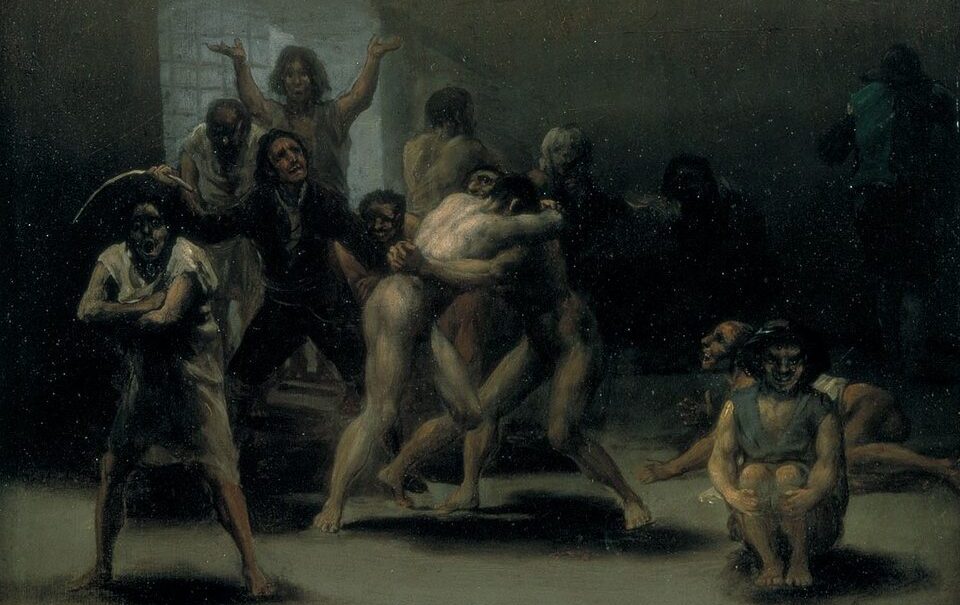
The Modern and Contemporary Lunatics
Contemporary capitalism has reached a stage in which it cannot properly hide its illusions, its false and cruelly constructed syntheses that transfigured and then edified its own terms to respond to questions that the market doesn’t have the authority to respond to. The result: the market sets itself up as the arbiter of not merely…
-
The Masses, the Empty, and the Dead
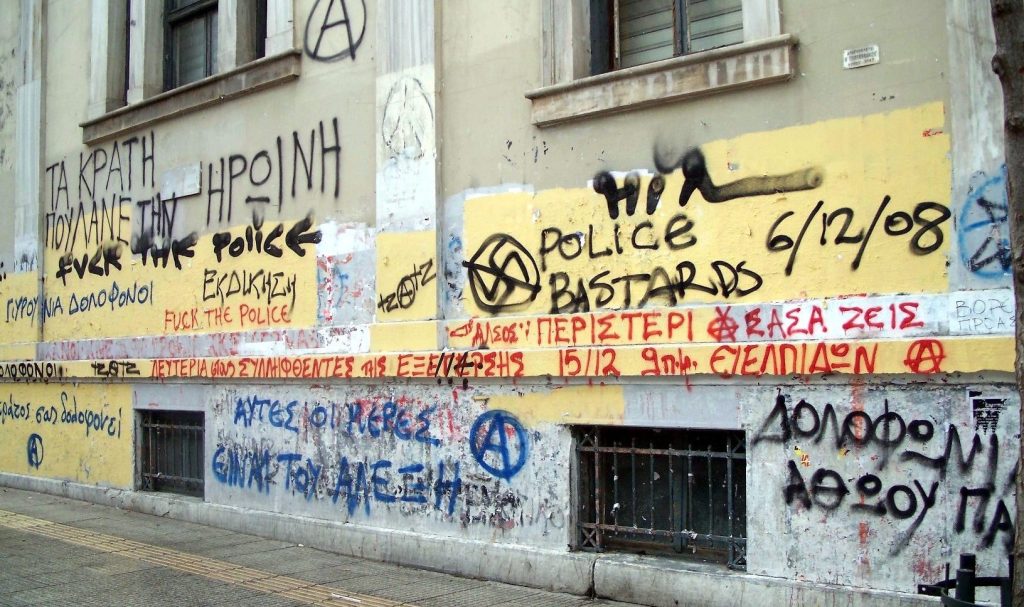
It is difficult to conceive of a mass movement that could genuinely resist the current order of the world. Not because we lack the will to make something different. There are millions of people who want nothing more than to settle into safe, prosperous, and happy lives that are not constantly disturbed by the violence…
-
On Somnambulism and Structural Causality
The dominant tradition of ideological critique has struggled with this problem since at least Mannheim, who understood ideology as a kind of socially conditioned distortion, a partial perspective mistaken for a total one. The correction was, in principle, available: the free-floating intellectual. Marx’s own formulations oscillate between ideology as inverted image and ideology as material…
-
Suicidal Fascism in the Age of Algorithm
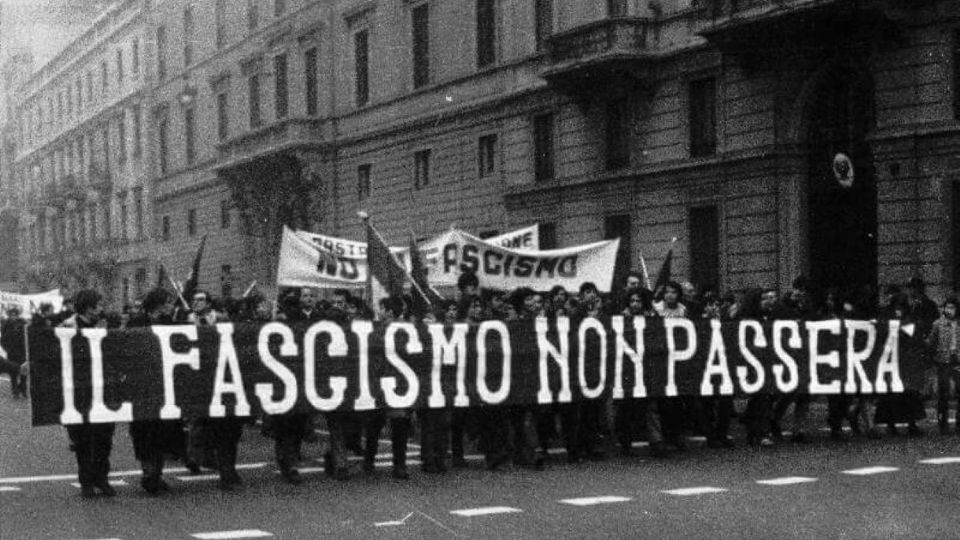
Deleuze & Guattari’s most revolutionary political claim is that fascism is not the opposite of liberatory desire but its nearest neighbor — a line of flight turned suicidal, the same destratifying impulse that elsewhere produced life, mobilized instead toward abolition. Microfascism is the name for this tendency at its most intimate source: not in the…
-
The Tragic Individualism of the Search for Stability / The Failure of Entropy as Revolution and Emancipation
Desire has a mimetic component, as Girard reminds us, and above all, it is never disconnected from its cultural, social, and political context. This makes it, on the one hand, an experience that is also collective and, on the other, one that responds to the most individualistic principles[2] of human beings. Capitalism and political propaganda…

-
Anatomy of Tiqqun, Autopsy of an Era
Tiqqun is the name of a small group of intellectuals whose existence is recalled to us today essentially by the trace left behind in the two issues of the review of the same name. Appearing at the turn of the twenty-first century, it was a highly “intellectual” militant review, with genuinely dense philosophical content that…

-
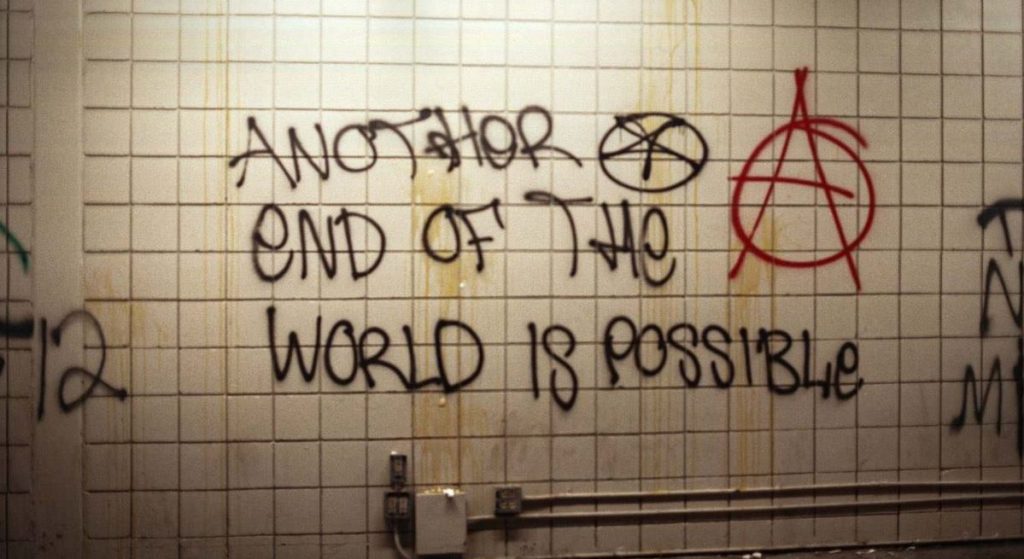
Dehumanisation of Anarchism: Biological Subordination as the Overlooked Condition for the Persistence of Banality
Anarchism, as a political discourse, has consistently positioned itself as a total rejection of authority. The state, the church, capital, patriarchy, and even language itself have been critically dissected—both in classical anarchist traditions (Bakunin and Kropotkin) and in its post-structuralist iterations (Saul Newman, Todd May, and Lewis Call)—as structures of power that must be dismantled.…
-
Dreamwalking off the Cliff
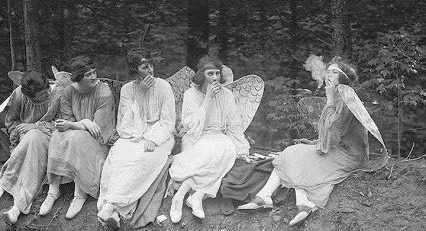
Consider this question: how do you know you are not dreaming right now? When you are immersed in a dream, everything feels real, until—a moment of lucidity breaks the spell. You say, “Oh, I am in fact dreaming”. But what guarantees that you are not dreaming right at this moment? You might point to consistencies,…
-
Notes on Entropy and Negentropy
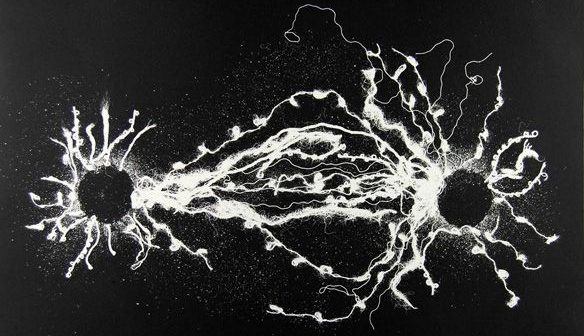
By Christian Nirvana Damato Between cybernetics, psychiatry, computational neuroscience, mathematization of being, and capitalism We know that the mathematization of being is a very long-standing process, abiogenic one might say, in some ways. However, the scientific emergence of a specific desire to mechanize the mind emerged particularly in the 1950s with cybernetics, which accompanied a new computational…
-
Expressions In-Between Time
To the depressed person, this statement might seem phantasmagorically counterintuitive. In the depressed state, the depressed person perceives time as, as Kronic argues further in the essay, a “a dead grey time in which nothing can possibly happen”, a sort of inescapable limbo between productive time and a chosen non-productive expenditure, In fact, depression expends…